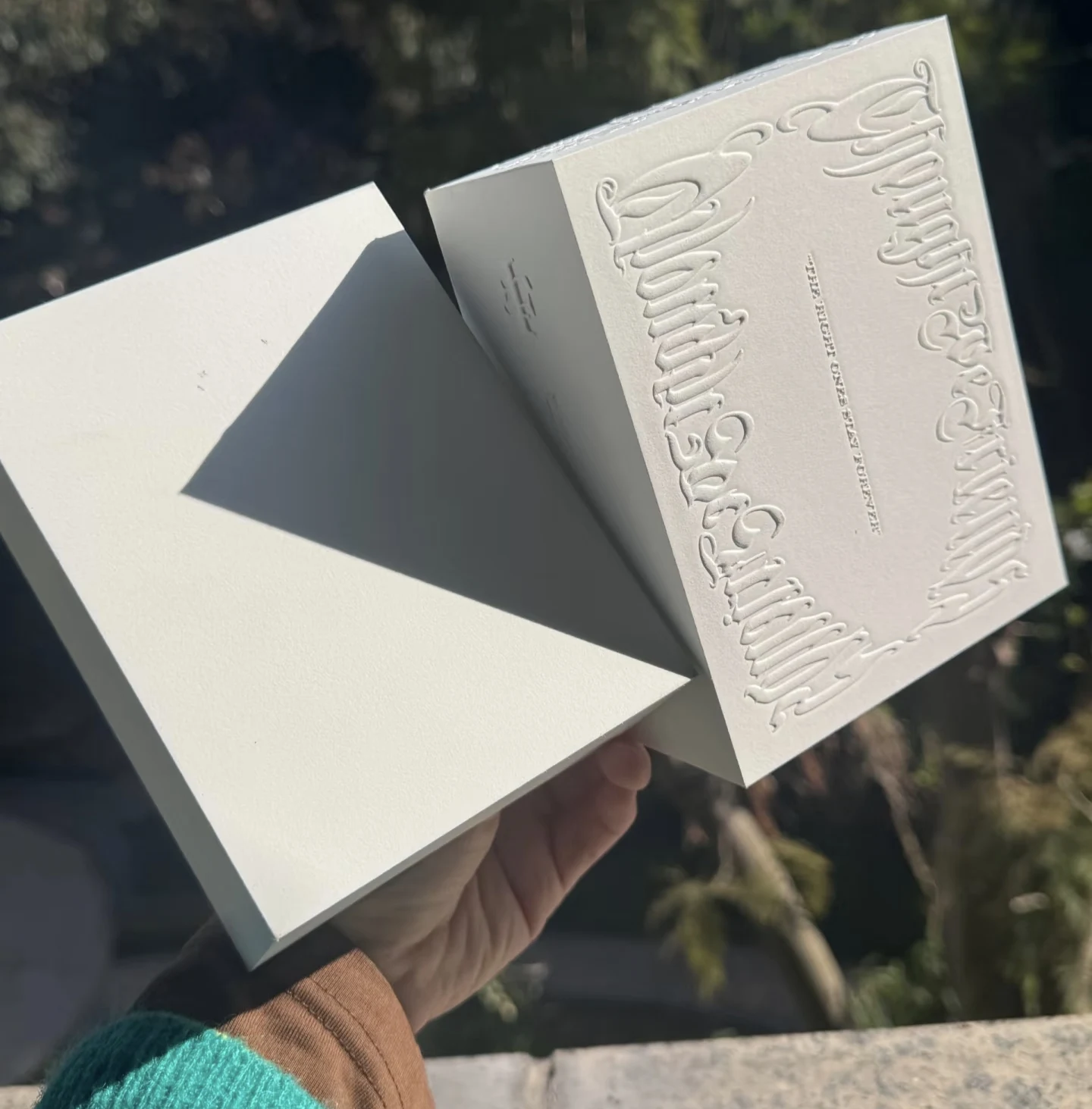
We get this question almost every week: should I use a folding carton or a rigid box?
Both are custom printed boxes. Both come from the same kind of factory. But they do very different jobs, and picking the wrong one costs you money.
Here’s the short answer:
- Folding carton — flat, printed, shipped flat, easy to store. Good for most products.
- Rigid box — thick, heavy, premium feel. Good for luxury products.
What is a folding carton?
A folding carton starts as a flat sheet of paperboard (250gsm to 450gsm, sometimes up to 550gsm if you need extra stiffness). The factory prints it, die-cuts it, and glues it into a flat shape. You receive it flat and set it up in seconds. Common styles: tuck-end, reverse-tuck, sleeve, and mailer boxes.
That’s why folding cartons dominate e-commerce. They ship flat, so freight stays low and storage is easy. If you sell on Amazon, most of your boxes are probably this type.
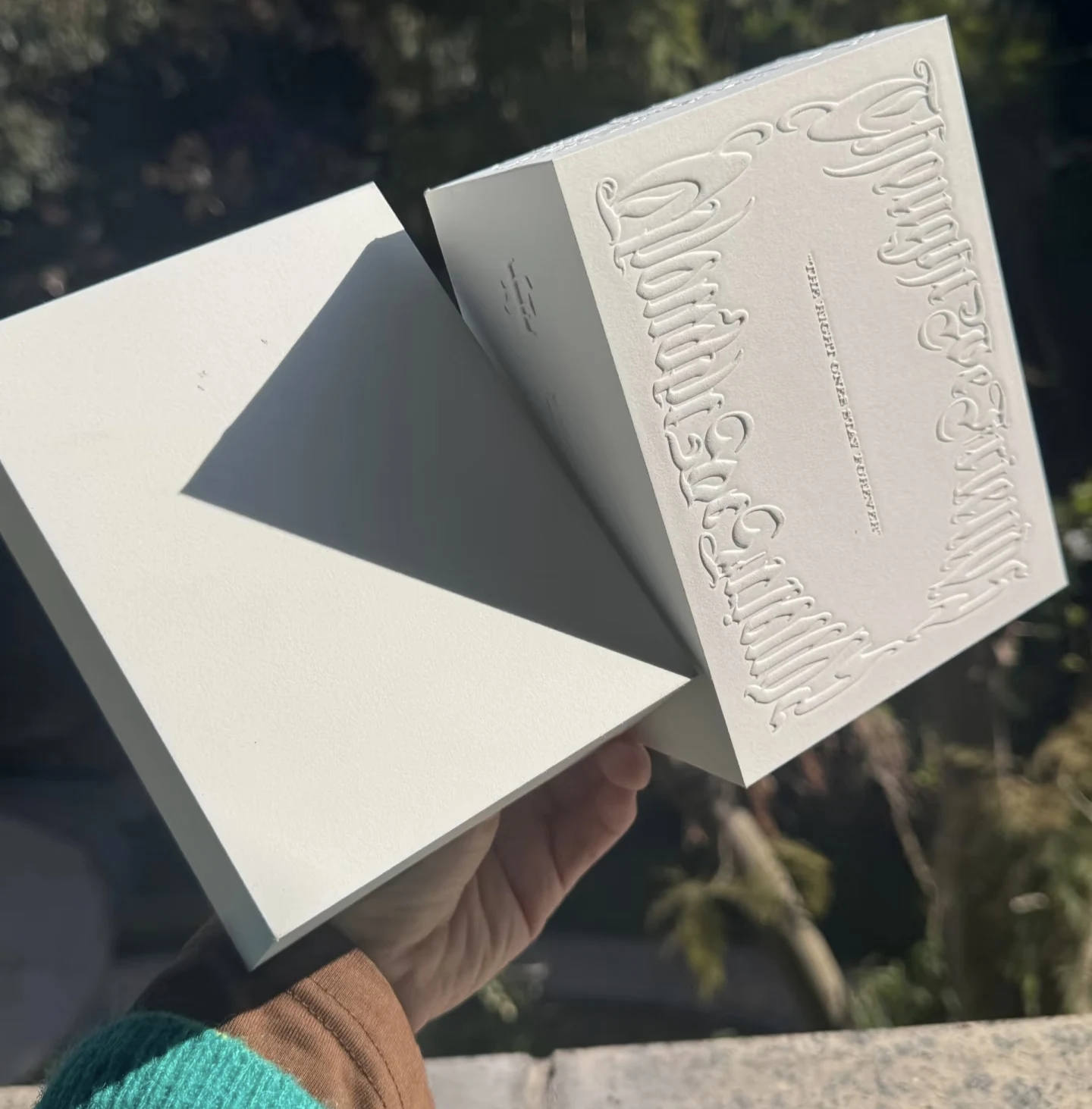
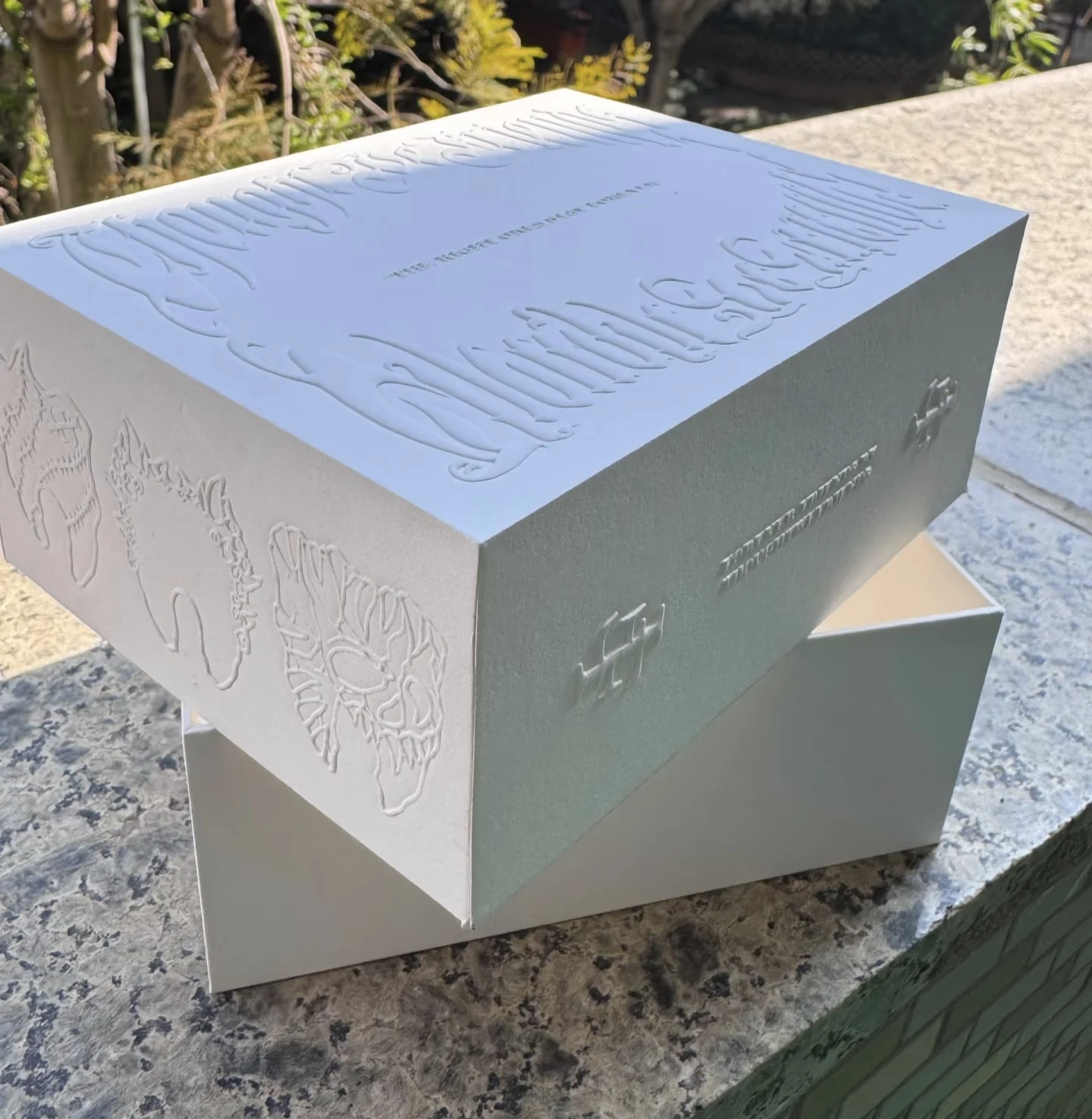
What is a rigid box?
A rigid box is made from thick chipboard, usually 1.5mm to 2.5mm, wrapped in printed paper. The box arrives fully assembled — not a flat piece. Styles include magnetic lid, lid-and-base, hinged (book-style), drawer, and cylinder.
Rigid boxes cost more to make and more to ship. But they change how the customer feels about your product. When a luxury beauty brand sends out a serum, the rigid box is part of the product experience.
Folding carton vs rigid box: side by side
| Folding Carton | Rigid Box | |
|---|---|---|
| Structure | Flat-packed, set up by user | Fully assembled |
| Board | 250–550gsm paperboard | 1.5–2.5mm chipboard + printed wrap |
| Best for | Supplements, food, e-commerce, everyday items | Jewelry, cosmetics, gift sets, electronics |
| Cost per unit | Low to medium | Medium to high |
| Shipping cost | Low (flat) | Higher (pre-formed, takes volume) |
| MOQ | 100 pcs with us | 100 pcs with us |
| Sample time | 5–7 days | 5–7 days |
| Production | 5–7 days | 15–20 days |
| Custom printing | Full-color offset, CMYK + spot colors | Printed paper wrap, foil, embossing |
When to choose a folding carton
Choose a folding carton when the product sells itself and the box protects rather than performs:
- Dietary supplements and vitamins
- Chocolate bars and snacks
- Phone cases, cables, small electronics
- Subscription boxes and mailer boxes
Cost matters here. A folding carton can cost half of a rigid box for the same volume. If your margin is thin, don’t overspend on packaging.
When to choose a rigid box
Choose a rigid box when the unboxing moment matters:
- Beauty and skincare sets
- Jewelry and watches
- Chocolate gift boxes
- Phone and tablet retail packaging
- Corporate gifts
A magnetic rigid box with gold foil says “this is expensive” before the customer even opens it. That’s not decoration — that’s part of the brand.
What most brands get wrong
The biggest mistake we see: brands copy a competitor’s box style without checking their own product size, weight, or budget. A rigid box is a bad idea for a $5 supplement bottle. A folding carton is a bad idea for a $200 perfume set.
Second mistake: ordering rigid boxes with an inner tray that barely fits the product. Measure the product first, add 2–3mm clearance, then talk to the factory.
Our advice after 16 years of making both
We make both types in our own factory, so we have no reason to push one. The honest advice:
- If the customer keeps the box for a while (jewelry, gifts), use rigid.
- If the box ends up in the recycling bin after opening, use a folding carton.
- If you’re not sure, order samples of both and compare the feel in your hands.
MOQ is 100 pieces for both types. Samples take 5–7 days; production runs 5–7 days for folding cartons and 15–20 days for rigid boxes. We send free design proofs (PDF, AI or CDR) before production, and payment is T/T 30/70.
Ready to compare?
Browse our custom paper boxes for folding cartons, or our rigid box manufacturing page for rigid styles. If you want to see both side by side, send us your product details and target price — we’ll recommend the right structure and send a quote the same day.