A rigid box is the one customers touch before they read anything. It is also the one that gets quoted wrong most often, because the unit price is only part of the number.

This guide covers the three things buyers actually ask us about: what structure to pick, why minimum order quantities land where they do, and which variables move the price. Everything below comes from our own rigid box line in Xiamen, where we run 100-piece minimums on custom boxes.
What makes a box “rigid”
A rigid box is built on greyboard — usually 1.5 mm to 2.5 mm thick — that is cut, grooved and then wrapped by hand in printed paper. The board carries the shape; the paper carries the brand.
That hand-wrapping step is the reason rigid boxes sit at a different price level from folding cartons. A folding carton is printed, die-cut and glued on an automatic line. A rigid box passes through several manual stations: wrap the board, turn the corners, press the edges, assemble the lid, insert the tray.
If your product needs to survive shipping and still look like a gift on arrival, you want rigid. If it needs to go on a supermarket shelf at a few cents each, you want a folding carton.
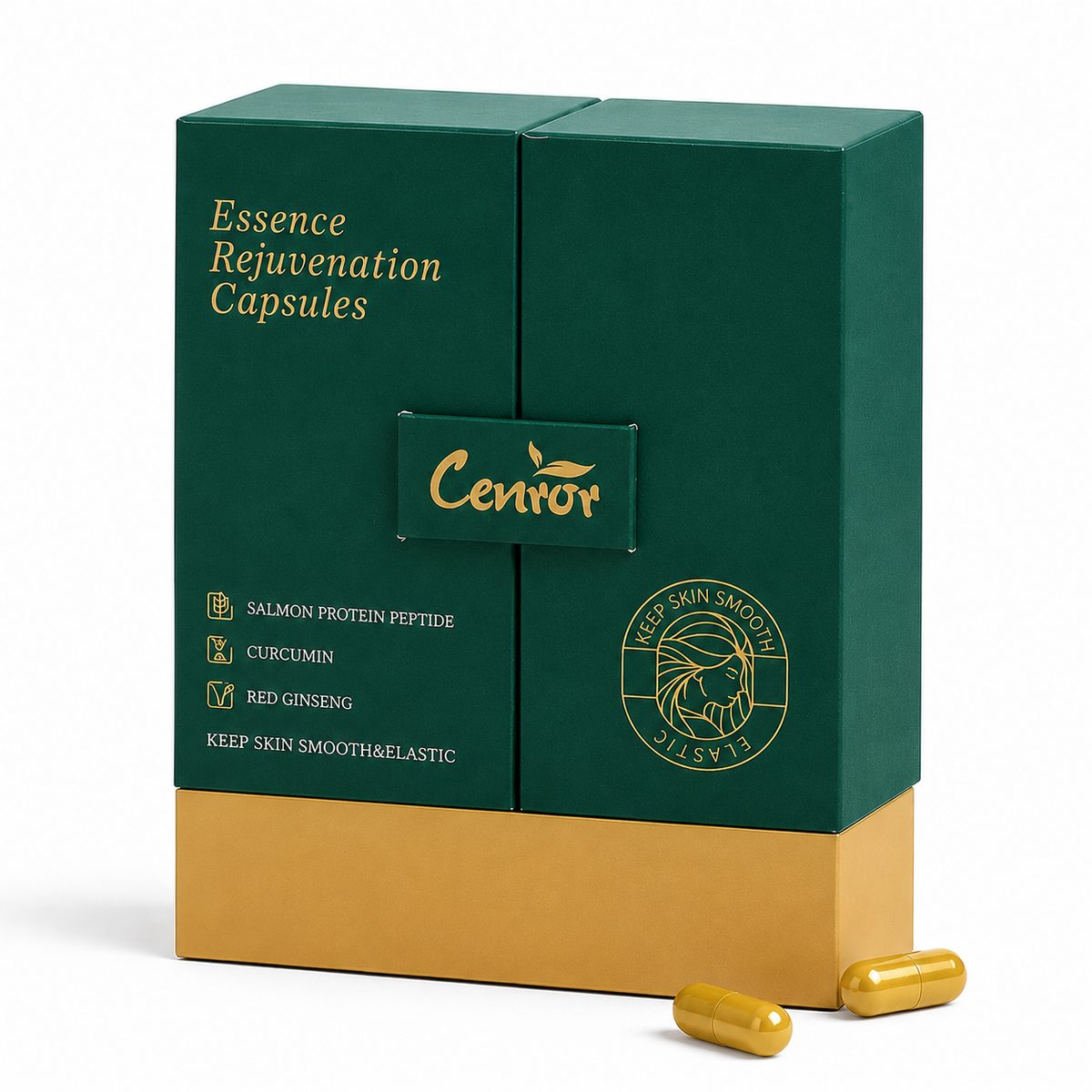
The five structures we build most
Lid and base (two-piece). The classic. A separate lid drops over a base. Cheap to tool, easy to stack, and the lid can be printed on all four sides. Most cosmetic and confectionery sets start here.
Book-style with magnetic closure. The box opens like a hardcover book; two magnets hold the lid shut. This is the structure behind our portable medical kit book box and the perfume discovery set box. It reads as premium because the opening is a deliberate action, not a lift.
Drawer / slide box. An inner tray slides out of a sleeve. Good for sample sets and subscription kits, but the fit tolerance is tighter — a loose drawer feels cheap immediately.
Round and oval. Built on curved board with a rolled edge. Higher labour, higher waste, and usually a 200+ piece minimum because the wrapping is slow.
Rigid sleeve with a folding insert. A hybrid for products that need protection but not a full box. Our pharma vial rigid box uses a rigid shell with a die-cut insert so the vials sit still.
Why MOQ lands at 100 (and at 500 elsewhere)
Minimum order quantity is not a sales rule. It is the point where the setup cost stops dominating the unit price.
For rigid boxes, the setup is a die board for the greyboard cutting, a printed sheet run, and a wrapping line that has to be set up and tuned. At 100 pieces the setup is spread thin but still workable, which is why our custom box line starts at 100 pieces.
Paper bags, envelopes, notebooks and greeting cards start at 500 pieces. Those products run on automatic or semi-automatic equipment where the make-ready is longer and the per-piece time is short. Running 100 bags on a bag machine costs almost the same as running 500.
If you are below the minimum, the honest options are: accept the minimum and hold stock, pay a small-run surcharge, or pick a stock size and print a label. We would rather tell you that upfront than quote a number that falls apart at production.
| Structure | Best for | Relative cost |
|---|---|---|
| Lid and base | Gift sets, cosmetics, confectionery | Baseline |
| Book-style, magnetic | Kits, pharma, fragrance, unboxing content | +15–25% |
| Drawer | Sample sets, subscription boxes | +10–20% |
| Round / oval | Candles, tea, single-product hero packs | +30–50% |
What actually moves the price
1. Size and board thickness. Price scales with surface area, not volume. Going from 200×150 mm to 300×220 mm adds roughly 70% more board and 70% more wrap paper. Board from 1.5 mm to 2.5 mm also adds cost, and adds rigidity you may not need.
2. Wrap paper. A 157 gsm art paper with matte lamination is the workhorse. Soft-touch lamination, textured specialty paper and pearlised stock each add a step and a percentage.
3. Print method. Offset for volume and colour accuracy; digital for short runs and variable data. At 100–300 pieces digital is often the only sensible route.
4. Finishing. Hot foil stamping, embossing, debossing and spot UV are each a separate pass with a separate die. Three finishes on one lid is three setups.
5. The insert. This is the line item buyers forget. EVA foam, moulded pulp, die-cut corrugated, paper tray, satin bed — each changes both cost and tooling. A foam insert can cost as much as the box.
6. Hand assembly. Ribbons, wax seals, hand-placed dried flowers and tissue wrapping are labour. They are also what makes the unboxing feel made for one person.
Sampling and lead time
A white sample (structure only, no print) takes about 5–7 working days. A printed sample with finishes takes 7–10. Mass production runs 15–20 working days after sample approval, plus transit.
Ship terms are FOB Xiamen. We can quote EXW or CIF if you have a forwarder preference.
One practical note: approve the sample against the artwork file, not against a photo on a screen. Foil colour and paper texture do not survive screenshots.
Three mistakes that cost real money
Quoting the box without the insert. Ask for a landed cost per set, including the tray and any ribbon or seal. Otherwise the second quote surprises you.
Designing to the millimetre. Rigid boxes have a tolerance — typically ±1 mm on the wrap and ±0.5 mm on the board. If your product fills the box exactly, it will not fit after wrapping. Leave 2–3 mm of clearance.
Choosing foil by name instead of by sample. “Gold” covers a dozen shades. Ask for a foil chip on your actual paper.
FAQ
Can I order 100 pieces in two colours? Yes. Two print colours on a 100-piece rigid box is normal, not a special case.
Is a magnetic closure worth it? If the box is opened in front of a customer — in a store, in a video, in a gift context — yes. If it ships in an outer carton and is opened privately, the lid-and-base saves money without being noticed.
Can you match a Pantone colour on a rigid box? Yes, on coated art paper. On uncoated or textured stock the same Pantone reads darker; we will flag it before printing.
If you want a structure recommendation, send the product dimensions, the weight, and one photo of the product. We will come back with two or three structures and the trade-offs, not a single number. Start from our custom paper boxes range or send the spec directly.
Under the minimum? Tell us the quantity you actually need — small runs get quoted case by case.